



1 yr. ago
Why a Single Nuclear Missile Could Defeat America's Entire Defense System
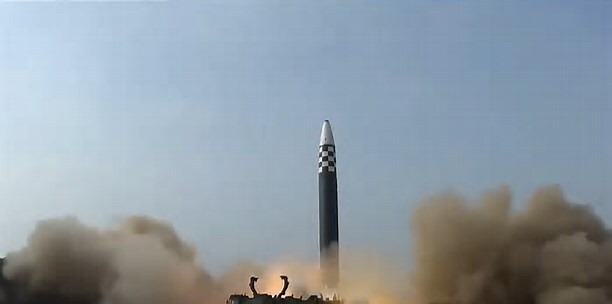
The U.S. has 44 interceptors. A single Russian missile can launch 10 warheads and 40 decoys. Each kill vehicle has a 56% success rate. You do the math. From hit-to-kill physics and radar discrimination to Mach 24 re-entry speeds and Russia’s nuke-on-nuke strategy—intercepting just one ICBM is far harder than you think.
The U.S. has 44 interceptors. A single Russian missile can launch 10 warheads and 40 decoys. Each kill vehicle has a 56% success rate. You do the math. From hit-to-kill physics and radar discrimination to Mach 24 re-entry speeds and Russia’s nuke-on-nuke strategy—intercepting just one ICBM is far harder than you think.
1 yr. ago
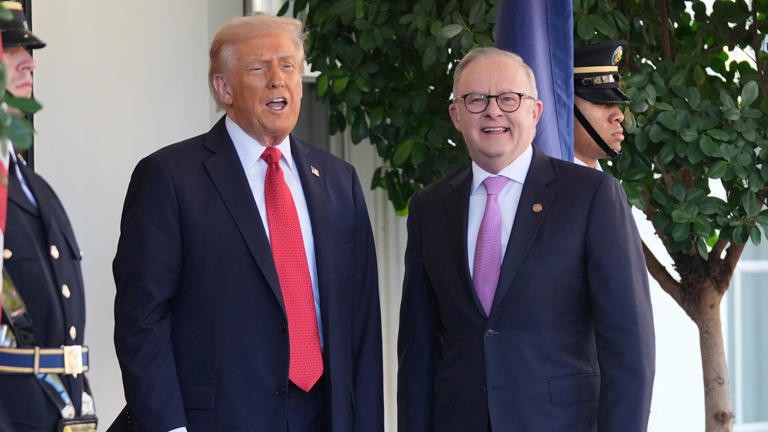
Albanese and Trump hold 'warm and constructive' call
Story by Richard Wood
Prime Minister Anthony Albanese has spoken with US President Donald Trump overnight, ahead of a potential meeting between the leaders.
Albanese posted on social media the phone call was "warm and constructive", and the pair discussed economic and security subjects, including critical minerals.
"We discussed our trade and economic relationship as well as areas for growth including critical minerals," Albanese said in a post on X.
"We also discussed shared US-Australia security interests."
Neither Australian or US officials have released an official transcript from the chat.
Australia has 36 of the 50 critical minerals the US is seeking as it aims to move away from dependence on China for them.
The Australian government has been eager to project itself as a dependable and well stocked potential supplier.
Neither Australia or US officials provided details about the security issues discussed by Albanese and Trump, but they were likely to include the AUKUS deal, under which Australia will acquire nuclear-powered submarines.
The defence pact between Australia, the US and UK has been under review by the Pentagon, which is examining how it will impact American submarine manufacturing. A preliminary report is expected within weeks.
It was the fourth phone call between the Australian and US leaders since Trump took office in January.
The first face-to=face talks are yet to happen, but could take place at this month's United Nations General **** embly meeting in New York, or in Washington DC.
Albanese and Trump were scheduled to meet at the G7 leaders' summit in Canada in June, but US President left the event early amid the Middle East crisis.
Story by Richard Wood
Prime Minister Anthony Albanese has spoken with US President Donald Trump overnight, ahead of a potential meeting between the leaders.
Albanese posted on social media the phone call was "warm and constructive", and the pair discussed economic and security subjects, including critical minerals.
"We discussed our trade and economic relationship as well as areas for growth including critical minerals," Albanese said in a post on X.
"We also discussed shared US-Australia security interests."
Neither Australian or US officials have released an official transcript from the chat.
Australia has 36 of the 50 critical minerals the US is seeking as it aims to move away from dependence on China for them.
The Australian government has been eager to project itself as a dependable and well stocked potential supplier.
Neither Australia or US officials provided details about the security issues discussed by Albanese and Trump, but they were likely to include the AUKUS deal, under which Australia will acquire nuclear-powered submarines.
The defence pact between Australia, the US and UK has been under review by the Pentagon, which is examining how it will impact American submarine manufacturing. A preliminary report is expected within weeks.
It was the fourth phone call between the Australian and US leaders since Trump took office in January.
The first face-to=face talks are yet to happen, but could take place at this month's United Nations General **** embly meeting in New York, or in Washington DC.
Albanese and Trump were scheduled to meet at the G7 leaders' summit in Canada in June, but US President left the event early amid the Middle East crisis.
12 months ago
Nuclear Submarines: Accelerated Deployment After Trump Talks
Nuclear submarines, known for their ability to remain submerged for extended periods and their use of nuclear reactors for power, have been a significant part of naval warfare since the mid-20th century. They play a crucial role in maintaining the balance of power in the international arena.
During the Trump administration, there were discussions regarding an accelerated deployment of these submarines. This could have been a strategic move to strengthen the United States' military presence and deter potential threats from other nations. However, such a decision would require careful consideration of various factors, including the cost, environmental impact, and potential geopolitical consequences.
Financial Implications
Building and maintaining nuclear submarines is a costly affair. Accelerating their deployment would require a significant increase in defense spending. This could impact other areas of the budget and may require careful financial planning and prioritization.
Environmental Considerations
Nuclear submarines use nuclear reactors for power, which produce radioactive waste. This waste needs to be managed carefully to prevent environmental damage. Accelerating the deployment of nuclear submarines could increase the amount of radioactive waste, posing a significant environmental challenge.
Geopolitical Impact
The deployment of nuclear submarines can have significant geopolitical implications. It could be seen as an aggressive move by other nations, potentially leading to an arms race. Therefore, any decision to accelerate their deployment needs to be made in the context of international relations and strategic considerations.
In conclusion, while the accelerated deployment of nuclear submarines could strengthen the military capabilities of the United States, it would also come with significant financial, environmental, and geopolitical challenges. Therefore, such a decision would need to be made with careful consideration of all these factors.
Nuclear submarines, known for their ability to remain submerged for extended periods and their use of nuclear reactors for power, have been a significant part of naval warfare since the mid-20th century. They play a crucial role in maintaining the balance of power in the international arena.
During the Trump administration, there were discussions regarding an accelerated deployment of these submarines. This could have been a strategic move to strengthen the United States' military presence and deter potential threats from other nations. However, such a decision would require careful consideration of various factors, including the cost, environmental impact, and potential geopolitical consequences.
Financial Implications
Building and maintaining nuclear submarines is a costly affair. Accelerating their deployment would require a significant increase in defense spending. This could impact other areas of the budget and may require careful financial planning and prioritization.
Environmental Considerations
Nuclear submarines use nuclear reactors for power, which produce radioactive waste. This waste needs to be managed carefully to prevent environmental damage. Accelerating the deployment of nuclear submarines could increase the amount of radioactive waste, posing a significant environmental challenge.
Geopolitical Impact
The deployment of nuclear submarines can have significant geopolitical implications. It could be seen as an aggressive move by other nations, potentially leading to an arms race. Therefore, any decision to accelerate their deployment needs to be made in the context of international relations and strategic considerations.
In conclusion, while the accelerated deployment of nuclear submarines could strengthen the military capabilities of the United States, it would also come with significant financial, environmental, and geopolitical challenges. Therefore, such a decision would need to be made with careful consideration of all these factors.