

Understanding the Environmental and Ecological Chain Reactions Triggered by Volcanic Eruptions
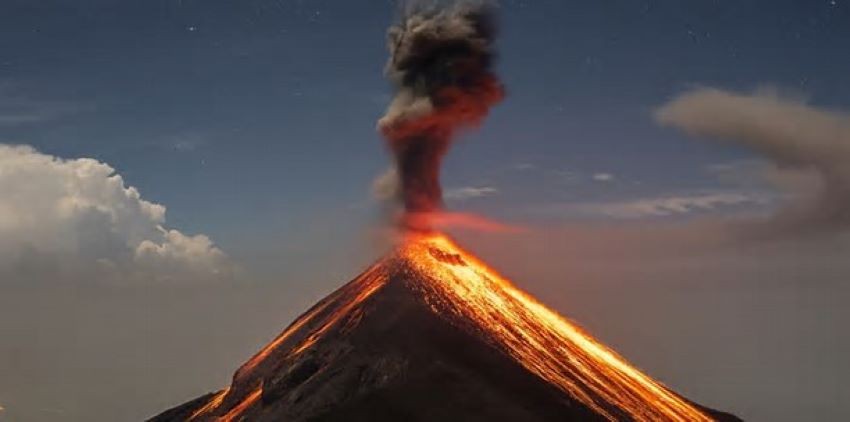
Volcanic eruptions can indeed trigger a series of environmental and ecological chain reactions with both immediate and long-term effects. Here’s a breakdown of how these phenomena can influence various systems:
Atmospheric Effects:
Ash Clouds: The ash ejected into the atmosphere can block sunlight, leading to a drop in temperatures near the surface. This can affect weather patterns and agricultural productivity.
Gas Emissions: Volcanic eruptions release gases like sulfur dioxide, which can lead to the formation of volcanic smog (vog) and acid rain. These gases, when reaching the upper atmosphere, can also contribute to the depletion of the ozone layer.
Climate Impact:
Cooling Effect: Large eruptions can inject substantial amounts of ash and sulfur dioxide into the stratosphere, leading to the creation of sulfate aerosols. These aerosols reflect sunlight back into ****** e and can cool the Earth’s surface temporarily.
Global Impact: Significant eruptions, like the 1991 eruption of Mount Pinatubo, have led to measurable decreases in global temperatures for a year or two following the event.
Hydrological Changes:
Impact on Water Bodies: Volcanic material can dam rivers and lead to the formation of lakes, and ash and other materials can pollute water sources. This can impact aquatic life and the quality of drinking water.
Alteration of Landscapes: The physical landscape can be drastically changed, affecting the flow of surface water and groundwater systems.
Biological and Ecological Effects:
Habitat Alteration: Thick ash deposits can bury habitats, and the ****** ociated acidity can harm plant and animal life.
New Ecological Niches: Over time, volcanic areas can develop unique ecological niches, promoting biodiversity.
Human and Economic Impact:
Health Issues: Respiratory problems and other health concerns can arise from the ash and gases emitted during eruptions.
Economic Disruption: Loss of crops and farm lands, damage to infrastructure, and disruptions to air travel due to ash clouds are significant economic impacts of volcanic eruptions.
Each volcanic event might differ in intensity and impact, but the chain reactions they trigger can have global repercussions. These effects underscore the intertwined nature of Earth’s systems, where a disturbance in one can propagate through many others.
Volcanic eruptions can indeed trigger a series of environmental and ecological chain reactions with both immediate and long-term effects. Here’s a breakdown of how these phenomena can influence various systems:
Atmospheric Effects:
Ash Clouds: The ash ejected into the atmosphere can block sunlight, leading to a drop in temperatures near the surface. This can affect weather patterns and agricultural productivity.
Gas Emissions: Volcanic eruptions release gases like sulfur dioxide, which can lead to the formation of volcanic smog (vog) and acid rain. These gases, when reaching the upper atmosphere, can also contribute to the depletion of the ozone layer.
Climate Impact:
Cooling Effect: Large eruptions can inject substantial amounts of ash and sulfur dioxide into the stratosphere, leading to the creation of sulfate aerosols. These aerosols reflect sunlight back into ****** e and can cool the Earth’s surface temporarily.
Global Impact: Significant eruptions, like the 1991 eruption of Mount Pinatubo, have led to measurable decreases in global temperatures for a year or two following the event.
Hydrological Changes:
Impact on Water Bodies: Volcanic material can dam rivers and lead to the formation of lakes, and ash and other materials can pollute water sources. This can impact aquatic life and the quality of drinking water.
Alteration of Landscapes: The physical landscape can be drastically changed, affecting the flow of surface water and groundwater systems.
Biological and Ecological Effects:
Habitat Alteration: Thick ash deposits can bury habitats, and the ****** ociated acidity can harm plant and animal life.
New Ecological Niches: Over time, volcanic areas can develop unique ecological niches, promoting biodiversity.
Human and Economic Impact:
Health Issues: Respiratory problems and other health concerns can arise from the ash and gases emitted during eruptions.
Economic Disruption: Loss of crops and farm lands, damage to infrastructure, and disruptions to air travel due to ash clouds are significant economic impacts of volcanic eruptions.
Each volcanic event might differ in intensity and impact, but the chain reactions they trigger can have global repercussions. These effects underscore the intertwined nature of Earth’s systems, where a disturbance in one can propagate through many others.
5 months ago